Forgot to press Submit?
- Project Stories
- 20.Aug.2024
- 9 MIN READ
Behind the Rebrand When a Studio Changes Its Own Face
A Creative Director’s Journey into
Rebranding a Global Agency

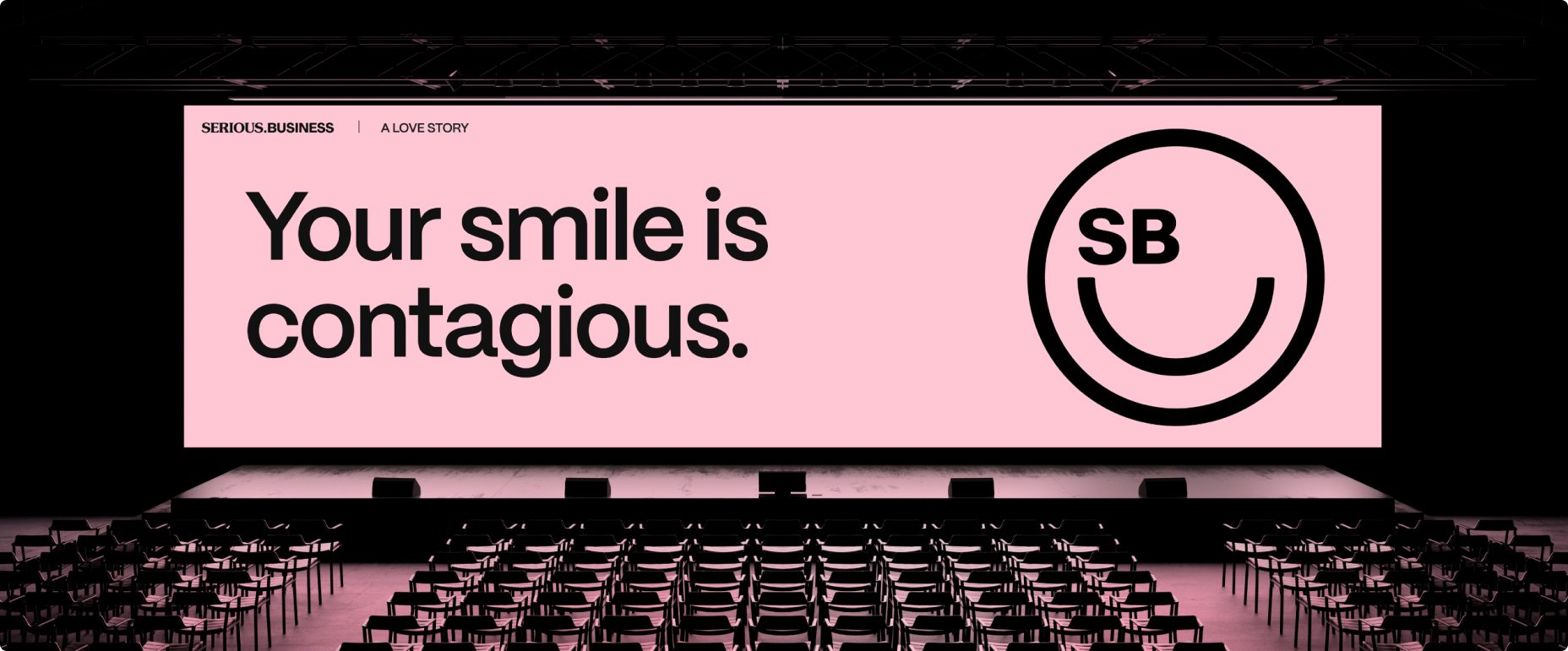
Founded in 2015, this global branding and design agency has redefined the art of rebranding by focusing on the human element—both in how they collaborate with clients and approach the creative process.
We sat down with their Creative Director, Amadeus, a designer with a knack for balancing bold creativity with a deep understanding of human connection. In this interview, he shares insights into the agency’s recent rebranding, the importance of staying true to core values, and what it takes to create a brand that not only stands out but truly resonates.
Interview with Amadeus
Q: Tell us a bit about Clarion Form. What is the agency at its core, and how has it evolved since starting in 2015?
Amadeus: Clarion Form opened in late 2015 because we wanted a shop where people could argue the work without fear. Safety is not softness: it is what lets someone kill a weak idea. Craft is the obsession; the room has to allow the risk.
Q: What prompted you to consider rebranding Clarion Form at this stage?
Amadeus: A lot has changed since our last rebrand five years ago. We’ve grown, the world has changed, and so has the way we work. We’ve shifted from a traditional office setup to a global, fully remote community. We were so focused on helping other brands grow that we overlooked our own. Our brand no longer reflected who we are or where we’re headed. It was time to update our identity to better communicate our personality and ensure that every touchpoint feels like meeting us in person. We wanted a brand that reflected the humans behind it, and how fun branding can be.


Q: How did you approach the rebranding process for your own agency compared to client projects?
Doing our own rebrand was uncomfortable in a useful way. We ran the same sequence we sell: strategy first, then identity, then the site. Time was the tax — client work does not pause. The team still sat in the workshops, and after a few rounds the thing finally felt like us. (Yes, we also fixed the typo in the old draft.)
“We wanted a brand that reflected the humans behind it, and how fun branding can be.”
Q: What were the key things you wanted to communicate with the new website?
Amadeus: Two bets: branding should be the part of the company people enjoy, and the studio should cover strategy through the last UI state. Fun is not decoration — it is how better ideas survive a review. The site is built to be touched: small motions, not a static brochure that loses you in eight seconds.
Q: Can you walk us through the creative process behind the new brand identity of Clarion Form?
Amadeus: We started by evaluating our old brand strategy, looking back and forward to see if it still aligned with who we are. Our core values—putting the room first, staying precise when the money is real, and keeping play in the craft—haven’t changed. For the visuals we wanted a system you would want to touch, not just export as a PNG. We distilled everything into the new website, balancing precision and play on every page of the site.

“The identity had to feel physical — something you would want to hold, not only look at.”
Q: How did you ensure that the new brand identity remained true to the core values of Clarion Form?
Amadeus: Values were rewritten with the whole bench in the room. If the people who ship the work are not proud of the mark, clients will smell it. The test is rude and useful: the team is up for it, and a relative can explain what the studio does in one sentence.
Q: Why is rebranding particularly important for a branding and design agency like yours?
Amadeus: There are a ton of agencies out there that look and say they do similar things. It’s easy to get caught up in designing for other designers, but that’s not our goal. We aim to be straightforward in what we do and evoke the right emotions in our clients. For us, branding is a fun process, and when you enjoy it, the results are always better. As a global agency, our brand needs even more love and attention because our team doesn’t get to live the brand together in a physical space. Most of our interactions are digital, so our brand has to work harder to connect with both our team and our clients. That’s been key for us, especially in how we present our brand on the website—making sure it feels as close to “real-life” as possible, even through a screen.


Q: Following the rebrand, what’s next for Clarion Form, and how do you see the agency evolving over the next year?
Amadeus: Next on the bench: a small shop of studio objects, and a sprint format built only for very early teams. A decade in, the claim is narrower than “best in the world” — we know this stage of company, and we are opening more doors to it without watering the work.
Q: What types of projects and clients does Clarion Form focus on?
Amadeus: The studio takes rebrands, launches, and full identity rebuilds — mostly B2B, sometimes B2C. We pick teams that are still inventing the category, because the brief stays alive from strategy through the product UI.
Q: What role does client feedback play in the rebranding process?
Amadeus: Clients know the buyer; we know how to turn that into a system. The hard part is feedback that does not pull the work sideways. We run each stage with a short set of questions so comments stay on the strategy, not on whoever spoke last in Slack.
“A strong, genuine brand builds trust, and that’s what drives long-term success.”
Q: What would you say defines a good brand?
There have been so many attempts to define what a brand truly is, and honestly, it’s a bit of a moving target. Over the years, I’ve collected a few.
Jeff Bezos: “Your brand is what people say about you when you’re not in the room.” It emphasizes that branding is more about the feeling you leave behind than just a logo or a website—it’s the sum of all your brand activities and how coherent they are.
Marty Neumeier: “Branding is the process of connecting good strategy with good creativity.”
Marty’s books have had a big influence on our approach at Clarion Form.
So, a good brand goes far beyond just a product name or slogan. It’s about how you walk, talk, and act—building trust and connection with your audience and showing them why they should choose you. It’s that combination of all your brand efforts that truly makes an impact.
Q: How do you measure the success of a rebranding project?
Amadeus: Initially, the feedback from your loyal fans (old and current clients, people in your community rooting for you, your grandma) matters most. But over time, success should be reflected in your key objectives—whether that’s more clients, leads, or sales. A strong, genuine brand builds trust, and that’s what drives long-term success.
We see it all the time with our clients after a rebranding project, arculus, for example, was acquired by Jungheinrich just one and a half years later, showcasing the tangible value of a well-executed brand strategy and trustworthy brand. Similarly, Zellerfeld has gained significant international traction with customers and global media attention since we put them on the map with a new brand, attracting clients like Louis Vuitton and Kanye West.
We also recommend doing user research before and after a rebrand to get immediate insights on how it’s resonating.

“It’s about how you walk, talk, and act—building trust and connection with your audience and showing them why they should choose you”
Q: In your opinion, what are the key indicators that a company should consider rebranding?
Amadeus: Ask yourself if your brand lacks coherence. Can people tell it’s you from just an ad or a website? Do your team and leadership share the same vision and approach? If your brand no longer represents your direction, values, or goals, it’s time to rebrand. Also, ask your customers how they feel about your brand—if it doesn’t match your strategic values, that’s a clear sign you need to make a change.
Q: What advice would you give to startups considering a rebrand but unsure where to begin?
Amadeus: Start with why the current mark is lying. New market, merger, or a story that no longer matches the product — those are real reasons. Then hire a studio that will argue with you, not a marketplace gig. Bring the team. If you want a second opinion on whether you even need a rebrand, write to us.